When this happens, many people wonder how to stop drinking alcohol safely and where to find support. Before I quit drinking, I thought sobriety sounded like a lifetime sentence to boredom. Treating a break from booze as a social experiment felt less like a punishment and more like a step to personal growth. Participating in a dry month doesn’t mean giving up booze forever; it just means you’re not drinking right now. It’s also more socially acceptable to pass on a drink during January because it’s become a cultural movement.

Step Boredom-Drinking Interrupt Sheet
Whether you are trying to cut back, stop completely, or recover after a difficult experience, support drunk and bored can make the process easier and safer. Structured care helps people stay grounded and reduces the chance of returning to alcohol during stressful moments. Stopping alcohol suddenly can sometimes be dangerous, especially for people who drink heavily every day.
Navigating Day 2 When Symptoms Intensify
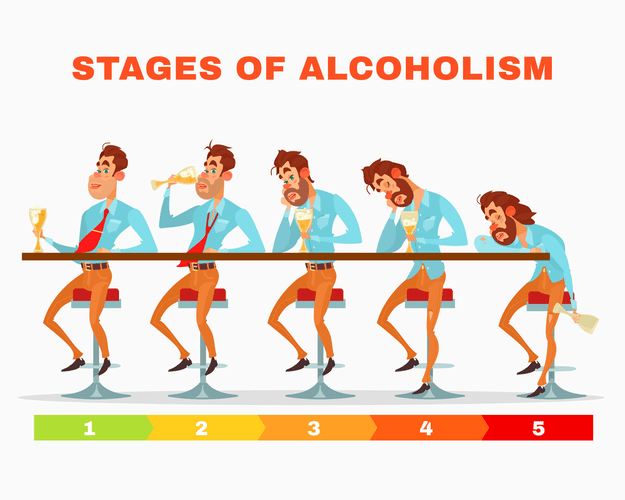
Habitual patterns of alcohol consumption can play a significant role in boredom drinking. These habits are often activated by certain cues or conditions, like boredom, which can lead drug addiction to excessive drinking and result in a variety of health issues, including alcohol abuse. By recognizing and addressing these habits, you can break the cycle of boredom drinking and take control of your life. Stress, anxiety, and loneliness can all be potential triggers for boredom drinking.
Healthy Habits for Long-Term Recovery
Before finding her calling in the sober space, Jeanette once owned a tattoo shop in Beijing. These days, you’ll find her sipping tea with a good book in hand — and zero interest in hangovers. The hidden downside of using alcohol to cope with situational boredom is that it often keeps us stuck—tolerating situations we might otherwise exit, transform, or outgrow. For those tasks that cannot be eliminated, many of us tend to default to numbing or distracting ourselves from them. We scroll through social media, snacking without thinking, or if drinking is in the mix, reach for a glass.
Saying no to unnecessary drains, resisting the urge to numb, and leaning into engagement can turn even the dullest moments into opportunities for presence, creativity, and real satisfaction—without alcohol. That leaves us with the other 60–70% of boredom—the kind that sticks around even after we’ve quit drinking, and can lead to relapse if we don’t know how to handle it. Believe it or not, in my experience, up to 30–40% of situational boredom can actually be avoided or reduced. Opting out is an underrated and underutilized option—especially for high-functioning people who are used to pushing through.
How to Stop Drinking Alcohol: A Guide to Recovery
Is it usually when https://ecosoberhouse.com/ you feel stress, boredom, or emotionally drained? If yes, then it’s possible that drinking is currently fulfilling your need for recovery when rest or emotional support are needed. Finding small ways to unwind other than drinking might help decrease your alcohol urge to feel better.

Sometimes it’s as simple as putting on a favorite playlist while folding laundry, letting your breath guide you through the dishes, or making up a mental game to bring mastery to even the most tedious task. Many people I’ve worked with say that learning to say “no” gracefully is one of the most empowering skills of their alcohol-free journey. That’s why we have dedicated a lesson specifically to the skill of saying no. If you have been around Sober Curiosity for a while, you know that alcohol’s “help” often comes with fine print.
- For example, you might realize that Friday nights have become a default for extra drinks, even when you’re not especially stressed.
- These programs should address substance use and any underlying co-occurring mental health disorders to ensure the most successful outcome.
- Engaging in physical exercise and outdoor activities can boost your mental wellbeing and help you resist the urge to drink out of boredom.
Your medical team will monitor crucial signs more frequently and use standardized scoring tools to assess withdrawal severity. During medical detox, the importance of hydration becomes critical as your body manages metabolic stress. Clinical teams monitor vital signs closely, watching for red-flag symptoms like rapid heartbeat or severe agitation that may indicate complicated withdrawal. Medical supervision is essential during this phase because healthcare providers can administer medications to ease symptoms and ensure your safety throughout the process. Around 36 hours after your last drink, withdrawal symptoms intensify and new symptoms may emerge, including clammy skin, jumpiness, depression, and loss of appetite.
How Did Dry January Start? The Origins of Sober Curiosity and a Global Drinking Reset
When he’s not working, Nate enjoys horticulture and is very active in Denver’s recovery community. To replace alcohol with empowering tools to meet the needs that alcohol once helped us meet in life. Instead of numbing or avoiding, engagement asks us to lean toward the experience with curiosity and intention—to find a way to connect with the moment, whether through creativity, mindfulness, or a spark of play. Most of us would literally rather zap ourselves with pain than sit quietly with our own thoughts.
- You shouldn’t attempt unsupervised withdrawal from alcohol at home.
- On that note, the following pointers for ending a boredom-induced alcohol habit are for those who want to take their health, diet, and fitness to the next level.
- Sparkling water, on the other hand, caters to those who crave the fizziness of alcoholic beverages.
- Boredom and isolation are known relapse triggers for people with substance use disorders.
Alcohol Addiction and Drinking Problem
Crafting a mocktail involves combining ingredients like ginger syrup, cucumber slices, or bitters to create complexity without alcohol. For example, a “Virgin Mojito” made with muddled mint, lime juice, soda water, and a teaspoon of honey provides a refreshing, low-calorie option. Mocktails are especially useful in social settings, as they allow individuals to participate in the ritual of drinking without the pressure to consume alcohol.